English
 Русский
 عربي
عربي Español
 Türkçe
 Deutsch
 Français
 Italiano
 Polski
 فارسی
فارسی
What is the most common mistake people make when using a miter saw?
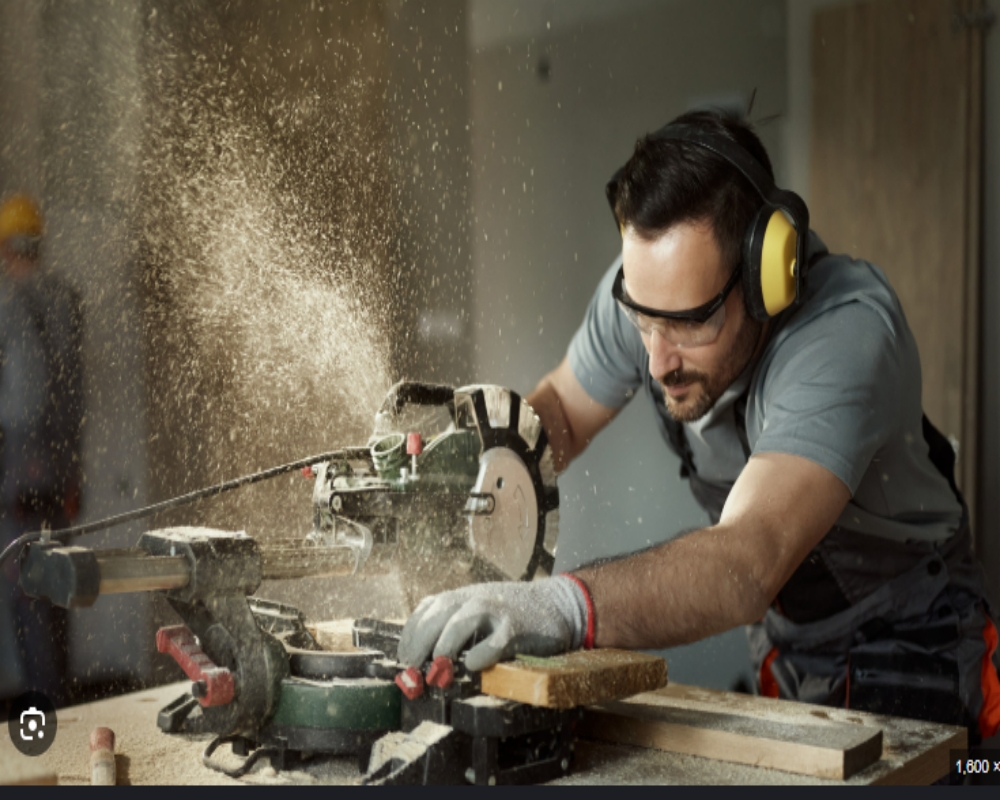
The most common mistakes when using a miter saw include: failing to properly secure the workpiece, neglecting safety equipment, improper operating posture, and improper adjustment of equipment parameters.
Background A miter saw is a power tool widely used in woodworking, metalworking, and home improvement, suitable for precisely cutting materials such as wood, aluminum, and PVC.7 Due to its high-speed rotating saw blade and complex motion structure, improper operation can easily lead to safety accidents or affect processing accuracy. Although some search results focus on mitering issues with band saw blades,1 common problems regarding the operation of miter saws themselves can still be summarized from safety procedures and user behavior.
The following are the core error types summarized based on multiple operation manuals and safety guidelines:
Workpiece not securely clamped
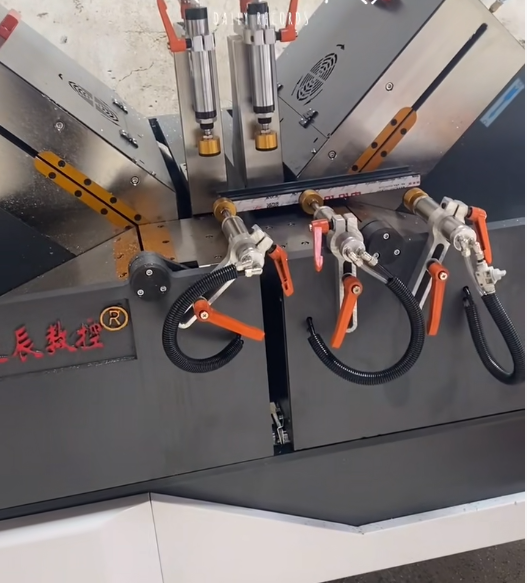
Workpieces not fastened with clamps can shift or bounce during cutting, increasing the risk of injury.
Small-sized materials are pushed directly by hand without auxiliary support or push rods, easily causing hands to come into contact with the saw blade.
Neglecting personal protective equipment
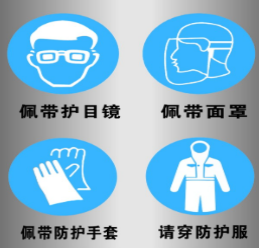
Not wearing goggles, earmuffs, or dust masks exposes the user to flying debris, noise, and dust. Wearing loose clothing, gloves, or not tying long hair during operation poses a risk of being caught in the machine.
Incorrect operating habits
Reaching out to clean up waste or adjust workpieces before the saw blade has completely stopped.
Standing directly facing the saw blade during cutting can cause direct injury in case of kickback. Using dull or mismatched saw blades increases cutting resistance, causes surface roughness, and can even overload the machine.
Improper equipment settings
Failure to calibrate cutting angle or length parameters leads to large finished product errors.
Ignoring the accuracy of laser indicators or graduations and estimating the cut position based on experience.
To avoid the above problems, it is recommended to follow these steps:
Preparation Stage: Check the power supply, saw blade status, and the integrity of the protective cover;
Workpiece Clamping: Use a dedicated clamp to firmly secure the material to the table;
Protective Wearing: Wear safety goggles and earmuffs; gloves are prohibited;
Parameter Setting: Select the appropriate saw blade according to the material type and calibrate the angle and depth;
Standardized Operation: Use the push rod to assist feed, keeping your body away from directly in front of the saw blade;
End Process: Wait for the saw blade to completely stop before cleaning.
We hope that in our work, we can operate the equipment correctly, protect our lives and pay attention to safety.